

Saddle stitch binding: guide, benefits, limits, uses and tips
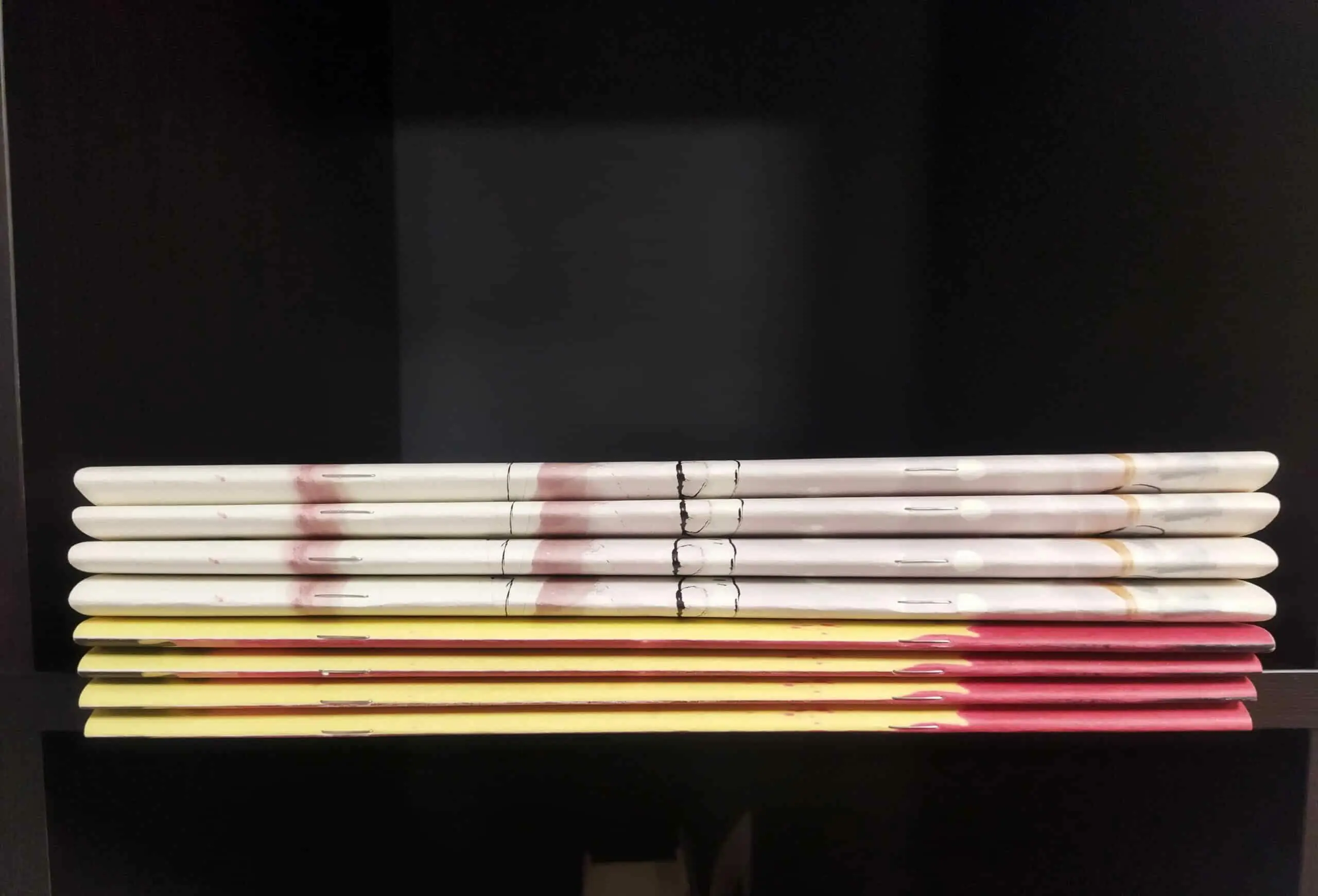
Saddle stitch binding, also known as saddle stitching, two‑point metal binding, or staple binding, is a popular technique to assemble documents such as books, brochures, catalogs, and magazines. It consists in inserting a set of folded pages at their center, held together by two metal staples. This guide explains its advantages, limitations, and best practices, helping you create professional, durable, and visually appealing documents.
What is saddle stitch binding?
Saddle stitch binding is a process that joins signatures of four pages each at the spine, using two staples. Therefore, this method requires your document to have a page count that is a multiple of four. For example, a 16‑page brochure would typically include 12 interior pages and a 4‑page cover.
This binding method is simple, cost-effective, and commonly used in professional printing for booklets, catalogs, and magazines.
Pagination and document structure
When designing a document for saddle stitching, it is essential to pay attention to pagination. Since this type of binding works with signatures of four pages, you need to structure your content accordingly. Here are some examples of possible paginations:
-
An 8‑page document: ideal for a short booklet or small flyer.
-
A 12‑page document: perfect for small magazines or concise reports.
-
A 16‑page document: commonly used for commercial brochures.
-
24 pages or more: suitable for more detailed catalogs or periodicals.
Additionally, common formats in commercial publishing include A4, A5, and A6, making the finished product easy to handle and visually appealing.
Paper and finishes for a high-quality look
To enhance the aesthetic quality of your saddle-stitched document, different types of paper and finishes are available:
-
First, coated paper is recommended to achieve a premium finish. This type of paper offers a smooth and glossy surface, perfect for bright images and sharp text.
-
Then, lamination is an attractive option to add a touch of elegance and increase durability. Depending on the desired effect, you can choose glossy, matte, or soft-touch lamination. This treatment can be applied only to the cover to reinforce both durability and aesthetic appeal, or to all the pages to ensure visual consistency.
Advantages of saddle stitch binding (saddle stitching)
This type of binding has many strengths that make it very popular across different industries.
Cost-effective
Two‑point metal binding offers an excellent quality-to-price ratio. It allows you to produce professional documents without prohibitive costs, making it ideal for promotional brochures and marketing materials, since the method remains economical. You gain a professional presentation while keeping control over your budget.
Quick production
With a straightforward process, staple binding can be completed rapidly. For example, at HPC‑ADLIS, we print and deliver saddle-stitched booklets within 24 hours. Indeed, thanks to our automated workflows, we can offer speed and efficiency to our clients.
Flexible and aesthetic
In terms of design, two‑point metal binding offers great flexibility, good longevity, and a professional, aesthetic finish. Furthermore, this method allows you to mix different paper types and weights for different sections of the document. For example, you might use a heavier-weight paper for the cover while keeping standard paper for the interior pages. This way, you can create a document that combines durability and aesthetic appeal without compromising the overall quality.
Limitations of two-point metal binding
However, this method has certain limitations that should be considered before making a choice.
Fragility under heavy use
While durable for normal use, documents may wear if handled excessively. For heavy-use publications or large number of pages, consider alternatives like Wire‑O binding or PUR perfect binding.
Page count restrictions
Saddle stitching is best for shorter documents. Depending on the paper weight, we recommend this method for up to 52 pages (52 pages – 90 gsm coated / 115 gsm uncoated offset). More pages may compromise the binding’s stability. If in doubt, feel free to ask us for advice — we can guide you to the best binding solution for your specific needs.
Uses and applications of staple binding
Using two‑point metal binding is common in many fields, depending on the needs and goals. Here are a few typical use cases:
Stapled promotional and commercial brochures
Thanks to their low cost and their capacity to present information clearly and concisely, saddle‑stitched brochures are particularly useful in commercial contexts. They provide a professional presentation of services or products offered — product catalogs, promotional campaigns, buyer guides, institutional brochures, programs, agendas.
Magazines and periodicals
In the editorial field, the simplicity and aesthetics of two‑point metal binding make it the dominant choice for small periodic publications such as specialty magazines, programs, tourist guides, or museum brochures. When paired with a nice heavy-weight cover and enhanced with matte, glossy or soft-touch lamination, this binding gives an elegant touch to your communication materials.
Educational materials
Frequently used in academic environments, school manuals and notebooks benefit from this assembly method. It ensures a good holding of the pages despite frequent handling throughout a school year. Thus, two‑point metal binding is ideal for leaflets, training manuals, course booklets.
Optimizing material choice for staple binding
Putting together a high-quality document requires selecting the right printing materials. Considering the different types of paper and finishes can help you achieve stunning results.

Combining different paper types
For the covers, a thicker paper such as a 270 g board can offer better resistance and protect the internal pages. On the other hand, a finer 150 g paper might be suitable for the inner leaves to reduce the overall thickness of the document.
Main finishing options
-
Glossy lamination provides a luxurious appearance and increases durability.
-
Matte lamination gives a soft texture and reduces glare.
-
Soft-touch lamination delivers a uniquely velvety feel, enhancing user experience.
Standard formats suitable for saddle stitch binding
Depending on your project and goals, you can choose among several formats to optimize the visual impact of your finished document:
-
The A4 format (21 × 29.7 cm) is widely used, combining practicality and convenience.
-
The A5 format (14.8 × 21 cm) is perfect for portable, lightweight booklets.
-
The A6 format (10.5 × 14.8 cm) is ideal for compact mini-guides or notebooks.
Stapled printed documents offer a good flat opening, and excellent handling, allowing creative layouts while maintaining professional presentation.
Exploring these options and understanding how they influence the reader’s perception can help in designing documents that are not only informative but also aesthetically pleasing and memorable.
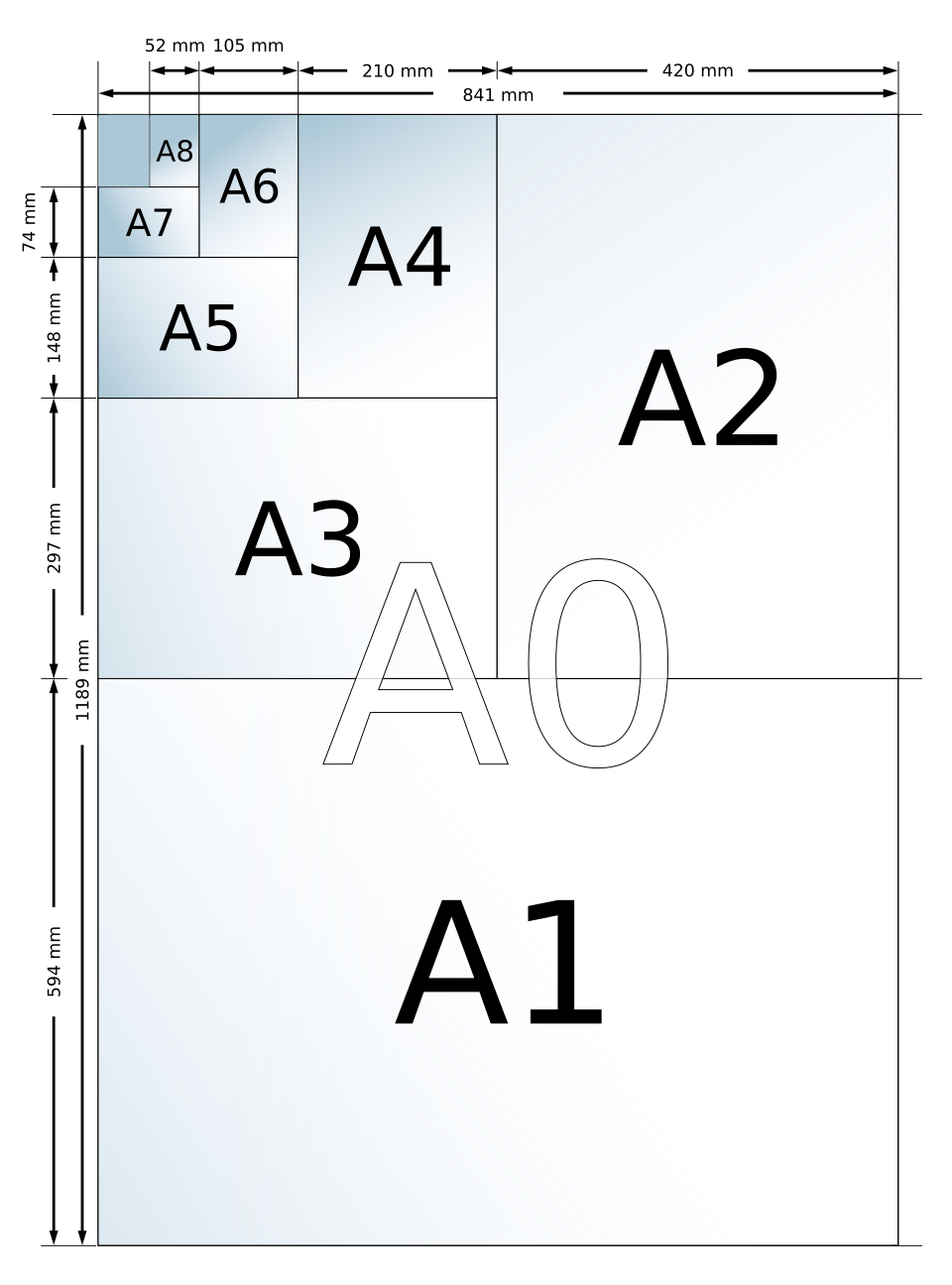
Source Wikipedia
Envie de nous parler
de votre problématique
autour d’un café ?
Envie de nous parler
de votre problématique
autour d’un café ?
DIGITAL
PRINTING
SOLUTIONS

DIGITAL
PRINTING
SOLUTIONS


